


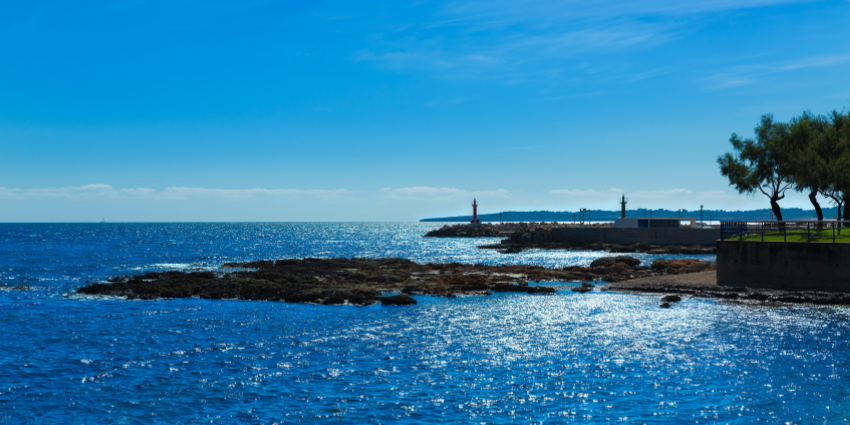
Cala Bona is a village that still smells of fishing harbour. That is not a figure of speech: if you stroll along the quay first thing in the morning, you will see fishermen unloading the day’s catch while mending nets on the stone benches beside the water. It is a small settlement of barely 1,200 inhabitants, part of the municipality of Son Servera, on Mallorca’s east coast between the Bay of Artà and the tourist resort of Cala Millor.
What sets Cala Bona apart from other coastal destinations on the island is precisely that: it was not built for tourism. It existed before. It was a fishing settlement that lived off the sea, with a sheltered natural harbour and a handful of stone houses around it. Tourism arrived later, in the 1960s, and transformed the area, but the original harbour is still there, still working, with llaüts (traditional Mallorcan fishing boats) bobbing on the water alongside more modern pleasure craft.
The name says it all: Cala Bona means “good cove” in Catalan. And its neighbour, Cala Millor, means “better cove”. Two names that have been quietly competing for visitors’ attention for decades, although the truth is that each offers something different.
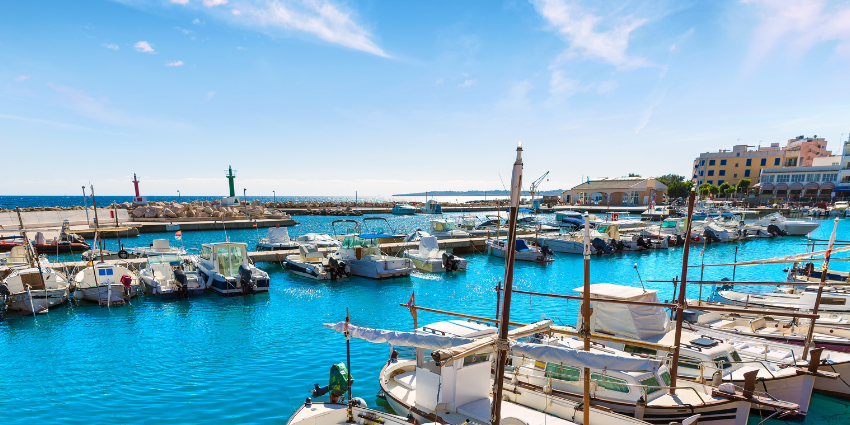
The harbour: the heart of Cala Bona
The harbour of Cala Bona is the feature that defines the village. Its history as a fishing port dates back to 1934, when it was officially established as a mooring point for local boats. For decades it was exclusively a fishing harbour: the boats went out at dawn and returned with fresh fish that was sold directly on the quay.
In 2006 the harbour was expanded and refurbished, including a new harbourmaster’s building, a fuel station for leisure boats and a renovated seafront promenade. Today the harbour has capacity for around 190 boats and combines artisanal fishing vessels with sailing boats and motor launches.
But the best thing about the harbour is its atmosphere. The restaurants around it serve fresh fish of the day (the lobster caldereta is the star dish of the area), and at sunset the quay becomes a peaceful spot to sit and watch the light change over the water.
The beach and the artificial coves
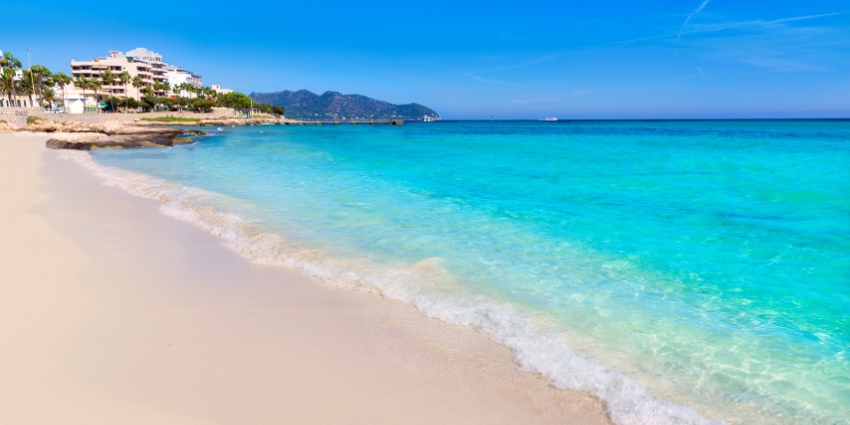
Cala Bona’s beach is 550 metres long and about 9 metres wide, according to figures from Son Servera town council. It is not a large or spectacular beach, but it has a quiet charm: sand mixed with fine gravel, clean calm water and an east-facing orientation that makes it perfect for enjoying the morning sun.
Before reaching the quay, there are three artificial coves created during the promenade renovation. They are small natural pools sheltered by rock groynes where the water is especially calm. They work well for small children and for anyone who prefers to swim without waves.
The beach has a lifeguard service in high season and is connected to Cala Millor beach by a 2-kilometre seafront promenade that hugs the coast. It is one of the most pleasant walks on the east coast: pines on one side, sea on the other, and no traffic.
Cala Bona and Cala Millor are linked by a 2-kilometre seafront promenade that runs along the coast without interruption. The full walk, from harbour to harbour, takes about 25 minutes on foot and offers constant views of the sea and the Serra de Llevant.
Cala Bona and Cala Millor: two worlds connected
Cala Bona and Cala Millor are immediate neighbours, physically linked by the promenade and by a continuous strip of hotels and restaurants. But they have distinct personalities.
Cala Millor is the east coast’s main tourist hub. It has a sandy beach almost 2 kilometres long, dozens of large hotels, an extensive shopping area and an active nightlife. It is a destination geared towards mass tourism, with a predominantly German clientele.
Cala Bona, by contrast, is smaller, quieter and attracts a different crowd. Historically it has been a favourite with British tourists, and its atmosphere is more laid-back: fewer nightclubs, more dinners by the harbour, more walks on foot.
The advantage of staying in Cala Bona is that you have access to everything Cala Millor offers (big beach, shops, restaurants, activities) but you go back to sleep in a place with less noise and more character.
What to do in and around Cala Bona
Glass-bottom boat trip. From Cala Bona harbour, boats with transparent hulls let you see the seabed without getting wet. The trip lasts about 45 minutes and follows the coast between Cala Bona and Costa dels Pins.
Diving and snorkelling. There are dive operators at the harbour offering outings for all levels. The waters off Cala Bona have good visibility and varied marine life: grouper, octopus, moray eels and schools of white seabream.
Son Servera. The town to which Cala Bona belongs is just 3 kilometres inland. It has a seventeenth-century parish church, the ruins of a new church that was never finished (known as the Església Nova) and a weekly market on Friday mornings.
Costa dels Pins. North of Cala Bona, this exclusive residential area has a sandy beach among the pines and a golf course. It is a pleasant walk from the harbour, following the coast northwards.
Virgen del Carmen festivities. On 16 July, Cala Bona celebrates the patron saint of seafarers with a maritime procession: the harbour boats head out to sea decorated with flowers and flags, carrying the image of the Virgin. It is a tradition that has been kept alive for decades.
If after exploring the coast you fancy trying traditional Mallorcan pastries, do not miss our article on Mallorcan rubiols, one of the island’s most typical sweets, which you will find at the bakeries of Son Servera.
Frequently asked questions about Cala Bona
Does Cala Bona have a sandy beach?
Yes, although it is a modest one. It is 550 metres long with sand mixed with fine gravel. The water is calm and clean. If you are looking for a larger sandy beach, Cala Millor beach (a 10-minute walk along the promenade) has almost 2 kilometres of fine sand.
How do you get to Cala Bona from Porto Cristo?
By car, the journey takes about 20 minutes along the Ma-4023 road towards Son Servera. By public transport, TIB bus line 412 connects Porto Cristo with Cala Millor/Cala Bona, according to Wikipedia.
Is Cala Bona a good destination for families?
Yes. The harbour is safe for walking with children, the artificial coves beside the quay have very calm water, and the overall atmosphere is relaxed. On top of that, being so close to Cala Millor means you can easily access more leisure options when you need them.
When is the best time to visit Cala Bona?
From May to October to enjoy the beach and the sea. July and August are the busiest months. September and October combine good weather with fewer tourists and lower prices. If you want to see the Virgen del Carmen festivities, 16 July is the date.